Respite for Family Caregivers in Berkeley Through Adult Day Care
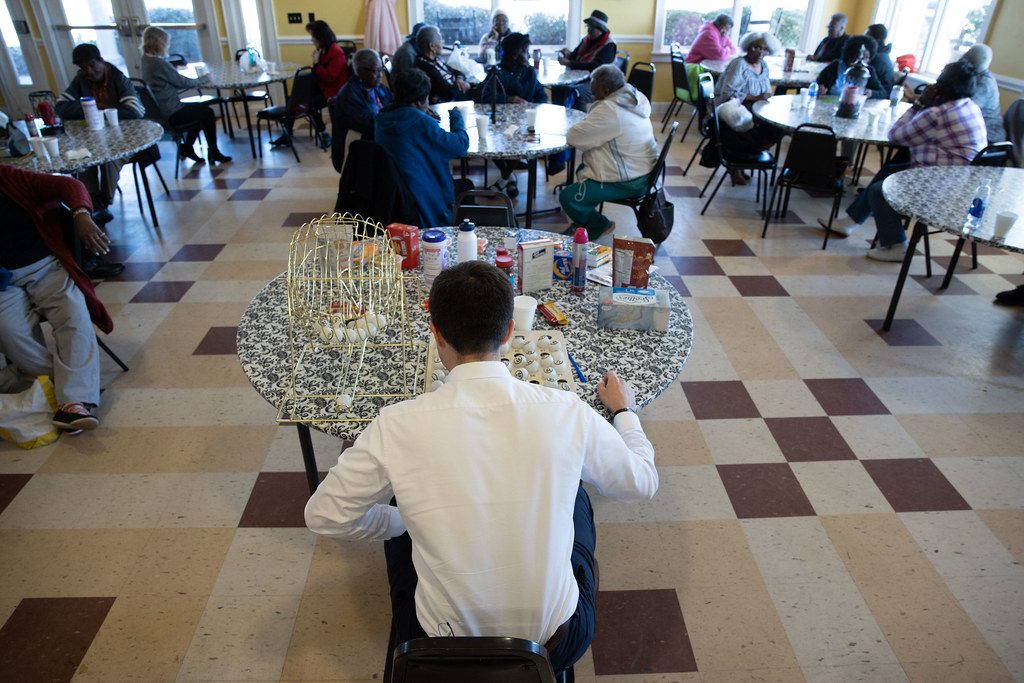
Respite simply means a break for the person doing the caregiving. In Berkeley, where many caregivers are also working, raising children, or managing their own health, a regular break is not a luxury. It is often what makes it possible to keep caring for someone at home at all.
Adult day programs are one of the most dependable sources of respite because they run on a fixed weekday schedule. This article explains how families use them for respite, what it costs, and where Alameda County caregivers can find additional help.
Why regular respite matters
Caregiving for an older adult or a person with a disability is demanding work. Caregivers often lose sleep, put off their own medical care, and pull away from friends. The National Institute on Aging encourages caregivers to take breaks and accept help, and notes that respite care can give caregivers time to rest and attend to their own needs (National Institute on Aging, what is respite care).
The key word is regular. An occasional afternoon off helps, but predictable time each week, time you can plan around, is what allows a caregiver to keep a job, see a doctor, or simply recover.
How adult day care works as respite
With an adult day program, the person you care for spends the day at a center with staff and other participants, then comes home. For the caregiver, that might mean:
- Working a full shift without phone check-ins every hour
- Keeping your own medical appointments
- Sleeping after a difficult night
- Running errands without bringing anyone along
- Spending time with a partner or children
- Doing something that has nothing to do with caregiving
For the participant, the same day brings company, activities, a meal, and in health-model centers, attentive observation by licensed staff. Respite works best when both people get something from the arrangement.
Other forms of respite, for comparison
Adult day care is not the only kind of respite. Families also use:
- In-home respite, where a paid caregiver or trusted volunteer comes to the house for a few hours
- Overnight or short-stay respite in a residential setting, when a caregiver travels or needs several days off
- Informal respite from relatives, neighbors, or faith communities
Adult day care fits families who need dependable daytime hours on weekdays, and who are caring for someone able to make the trip to a center.
What respite through adult day care costs in Berkeley
CareScout's 2025 Cost of Care Survey reports a California median of $94 per day for adult day health care, and its tool shows the same figure for the San Francisco–Oakland–Fremont area (CareScout Cost of Care tool). For comparison, the same tool lists non-medical in-home care at $43 per hour in that area. A six-hour in-home respite visit at that rate would cost about $258, compared with $94 for a full day at the adult day median.
| Respite pattern | Approximate weekly cost at 2025 local medians |
|---|---|
| Adult day care, 2 days | $188 |
| Adult day care, 3 days | $282 |
| In-home respite, two 6-hour visits | $516 |
These are survey medians, not quotes. Ask each provider for its current rate.
Help paying for respite in Alameda County
- Medi-Cal CBAS. California's Medi-Cal program covers adult day health services through Community-Based Adult Services for members who meet the criteria, which can make adult day respite much more affordable (California Department of Aging, CBAS).
- Family Caregiver Alliance. As the Bay Area Caregiver Resource Center, FCA serves Alameda County caregivers with consultation and, for eligible caregivers after an assessment, respite assistance (Family Caregiver Alliance, Bay Area Caregiver Resource Center).
- VA programs. Veterans enrolled in VA health care may be eligible for Adult Day Health Care and for VA respite care (VA Geriatrics and Extended Care: Adult Day Health Care).
- Long-term care insurance. Many policies cover adult day services once benefit conditions are met.
Our article on paying for adult day health care in California goes into each option in more detail.
Making respite actually restful
Families sometimes find that their first weeks of respite are spent catching up on chores. That is normal, but try to protect at least part of each respite day for rest or something you enjoy. A few practical tips:
- Put the days on the calendar and treat them like appointments.
- Plan the handoff. Prepare clothes, medications, and anything the center needs the night before, so mornings are calmer.
- Let the center know your goals. If you are using the time to work, staff will understand why reliable pickup times matter.
- Check in, then let go. A quick call to ask how the day is going is fine; constant calls defeat the purpose.
- Notice how you feel. If the break is not enough, consider adding a day before you reach exhaustion.
Planning respite before a crisis
The best time to set up respite is before you urgently need it. Enrollment at an adult day center usually involves paperwork, a health assessment, and sometimes approval from a Medi-Cal plan or insurer, all of which take time. If you wait until you are already exhausted or a crisis hits, you may face delays just when you can least afford them.
A practical approach is to enroll the person for a modest schedule, perhaps one or two days a week, while things are still manageable. That gives them time to settle in and gives you a ready option to expand if your own health, work, or family situation changes. It also means staff already know the person if you need to add days at short notice.
When guilt gets in the way
Many caregivers feel guilty about using respite, as if needing a break means they are failing. It may help to remember that a rested caregiver is a better caregiver. Most participants also benefit from time with other people and a change of scene. If guilt persists, a caregiver support group, such as those offered through Family Caregiver Alliance, can be a place to talk it through with people who understand.
Respite at Berkeley Adult Day Healthcare
Berkeley Adult Day Healthcare, operated by West Oakland Health Council at 1890 Alcatraz Avenue, offers weekday daytime support, activities, meals, and health monitoring support. Many families use our program for regular respite. Read about our adult day health services and our page for families, then call (510) 601-0167 to plan a visit during visiting hours, 9 to 5.
Frequently asked questions
Is adult day care considered respite care?
Yes. Adult day programs are one of the most common forms of respite, giving family caregivers predictable time off during the day while the person they care for is supported at a center.
How often should a caregiver take respite?
There is no set rule. Many caregivers find that two or three days a week of adult day care provides meaningful relief, but the right amount depends on the caregiver's health, work, and other responsibilities.
Can I get help paying for respite in Alameda County?
Possibly. Options include Medi-Cal's CBAS benefit for eligible members, respite assistance through Family Caregiver Alliance for eligible caregivers, VA programs for veterans, and long-term care insurance.
What if the person I care for does not want to go?
Starting with a short schedule, visiting together, and emphasizing activities they enjoy often helps. Staff can also suggest ways to ease the first few weeks.